Hand Lay-Up Fibreglass Lamination
Precision hand lay-up lamination delivering robust, custom fibreglass components with exceptional strength and finish.
Craftsmanship Meets Versatility
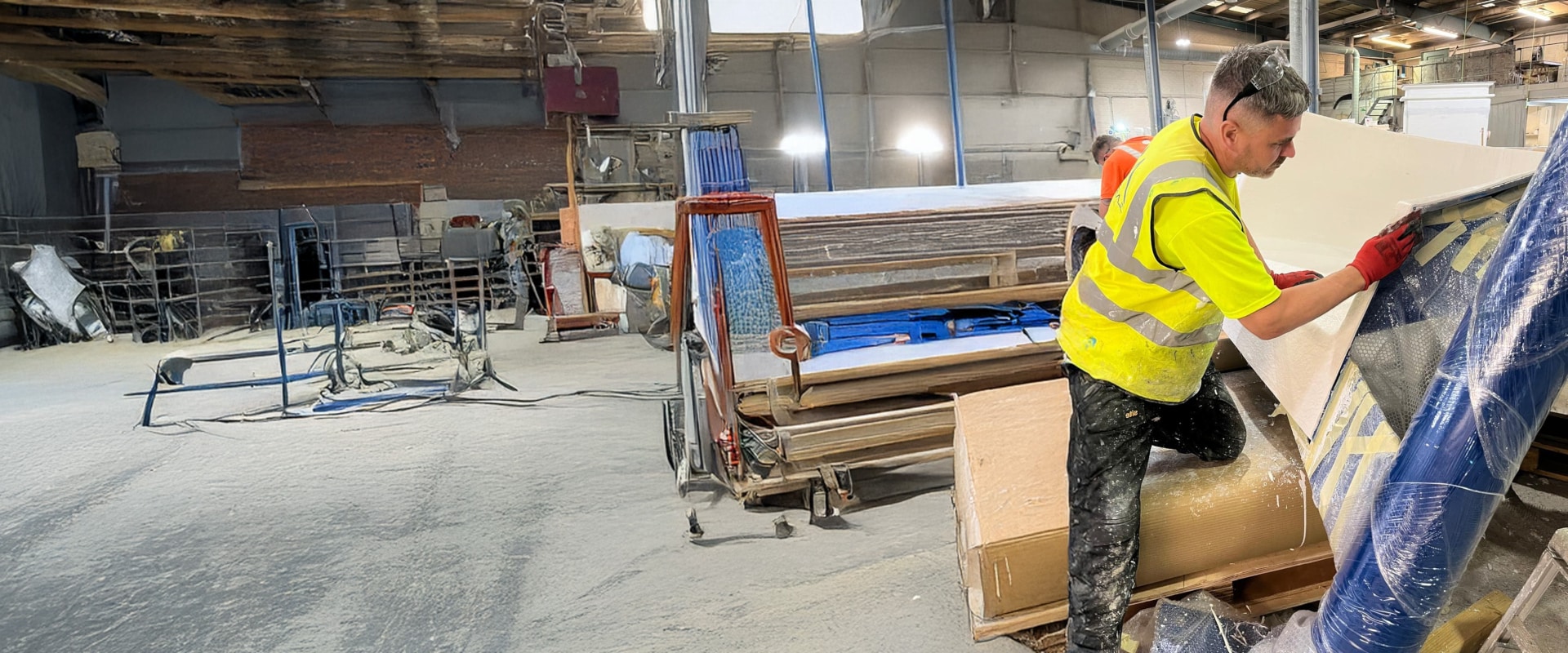
Hand lay-up is the most traditional and widely used method in the manufacturing of fibreglass composites. It involves manually placing reinforcement materials into an open mould and saturating them with resin. This simple yet highly adaptable process is ideal for custom builds, prototypes, and low-to-medium volume production where precision and flexibility matter most.

Experience You Can Trust
As a family-run business with over 50 years in the industry, we take pride in the people behind our products. Many of our laminators have been with us for decades - some for over 37 years - bringing unmatched skill, care, and consistency to every part we produce. We believe in looking after our team, and that loyalty and experience shine through in the quality of our work.
Why Hand Lay-Up Still Matters
- Unmatched Flexibility: Easily adapts to complex shapes, undercuts, and intricate moulds - ideal for artistic, architectural, or restoration work.
- Low Tooling Costs: Requires only a single open mould, making it cost-effective for short runs and one-off builds.
- Skilled Craftsmanship: Allows for precise control over fibre orientation, resin content, and reinforcement placement.
- Rapid Prototyping: Perfect for developing and testing new designs without the need for expensive tooling.
- Material Versatility: Compatible with a wide range of resins and reinforcements, including glass, carbon, and aramid fibres.

Trusted Across Industries
Hand lay-up is still widely used in:
- Marine: Boat hulls, decks, and custom fittings
- Automotive: Body panels, race car components, and restoration parts
- Architecture: Decorative cladding, domes, and sculptures
- Industrial: Tanks, ducts, and enclosures
- Aerospace & Defence: Prototypes, fairings, and low-volume parts

Hand Lay-Up vs Other Methods
| Feature | Hand Lay-Up | Chop-Spray | RTM (Resin Transfer Moulding) |
|---|---|---|---|
| Tooling Cost | Low | Low | High |
| Surface Finish | One-sided | One-sided | High-gloss, both sides |
| Labour Intensity | High | Moderate | Low |
| Ideal For | Custom, low-volume, complex | Medium-volume, large parts | High-volume, precision parts |
| Fibre Placement Control | Excellent | Moderate | High |
A Foundation That Still Delivers
Hand lay-up may be traditional, but it's far from outdated. For projects that demand flexibility, detail, and hands-on precision, it remains one of the most valuable and reliable methods in fibreglass manufacturing - especially when backed by a team with decades of dedication and craftsmanship.
Let me know if you'd like to turn this into a downloadable brochure or adapt it for a specific product or service page.

The Process Behind Hand Lay-Up
1.
Mould Preparation
2.
Manual Laminate Build-Up
3.
Consolidation
4.
Curing & Finishing
Our Projects
-

TBL600 Airport Fibreglass
Manufactured durable GRP tug components, ensuring rapid replacements, minimising downtime, supporting continuous airport operations worldwide.
Learn More -
F1 Rolex Design
We were commissioned to manufacture a large, specialised sign for a client, to be used by Rolex to promote their luxury timepieces across the global Formula 1 season.
Learn More -
XBOX One Launch
Our team was commissioned to manufacture a large sectional moulded dome featuring the iconic Xbox branding.
Learn More -
Baggage Chute Modification & Relining – Manchester Airport
A major UK contractor approached us to resolve ongoing performance issues with several baggage-handling chutes at Manchester Airport.
Learn More -
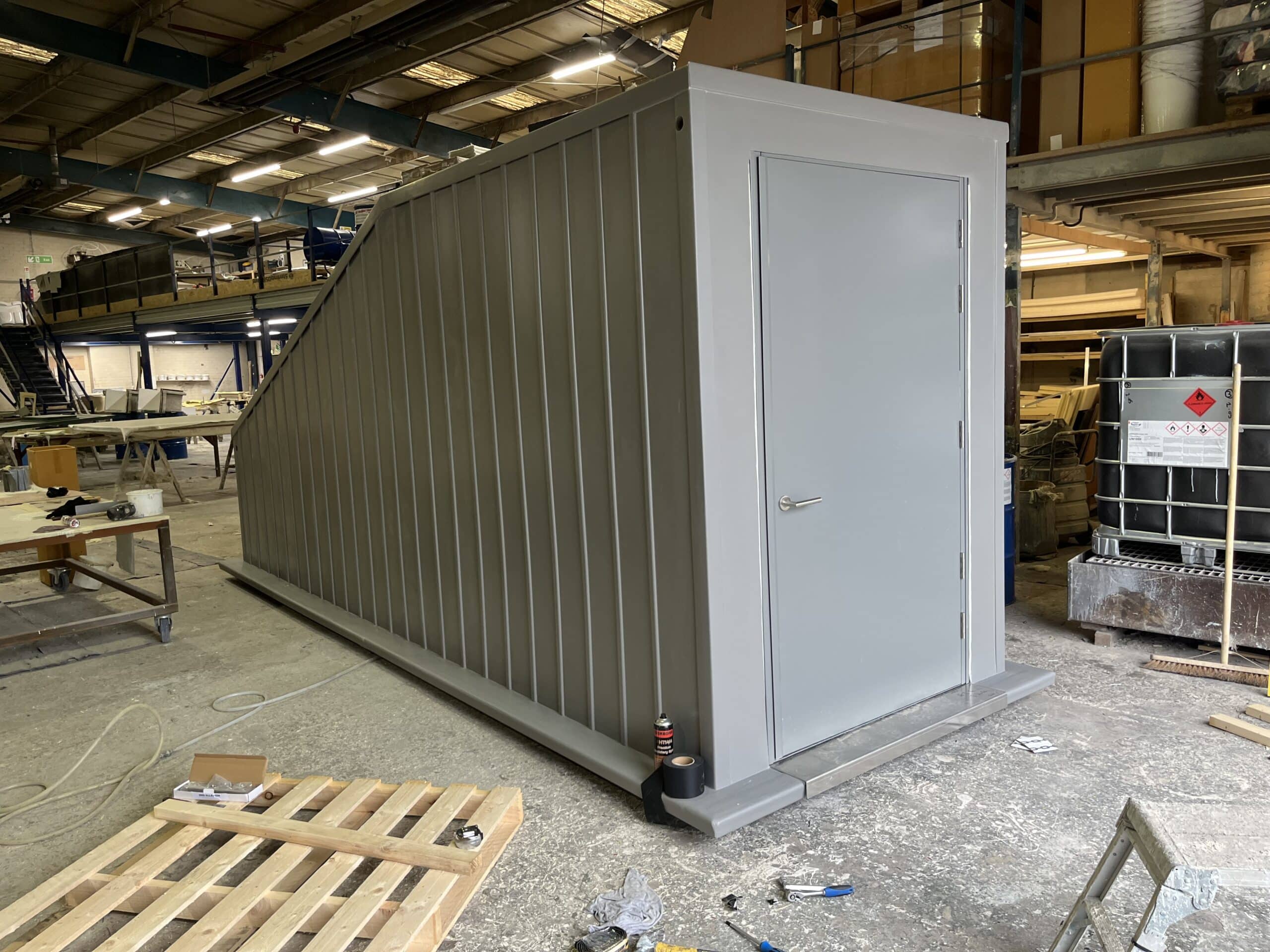
Rooftop Stairwell Pod – Somerset Hospital
Kier Construction appointed us to design, engineer, manufacture and install a bespoke rooftop stairwell pod for Somerset Hospital.
Learn More